
Published: March 14, 2026 | By: The News Fetcher Editorial Team
Methodology: This meta analysis is based on data gathered from the late-February “Server Slam” beta and our extensive hands-on playtime with the March 5, 2026, launch build of Marathon.
KEY TAKEAWAYS: MARATHON SURVIVAL GUIDE
- The Genre: A high-stakes PvPvE extraction shooter. (If you die, you lose your gear).
- The Setting: The hostile, shifting alien world of Tau Ceti IV.
- The Twist: “Runner Shells” add hero-shooter abilities into the extraction mix.
- The Controversy: The “Heat Capacity” stamina system is getting players killed—read below to see how to use the environment to cool down.
Table of Contents
Marathon: Mechanics And Meta Of Bungie’s Extraction Shooter
If you have spent years thinking of Bungie strictly as “the Destiny studio,” Marathon is the game that asks you to completely reset your expectations. This is not a looter‑shooter with strike playlists and forgiving raid checkpoints; it is a tense, high‑stakes PvPvE extraction shooter where a single bad push can cost you your best gear and 25 minutes of your life.
The good news is that once you understand how Marathon’s loop works—and what kind of player it is actually built for—the whole thing starts to click in a really satisfying, brutally unforgiving way.
Release Date And Platforms
Following a lengthy delay from its original 2025 window, Marathon officially released on March 5, 2026. Moving away from the free-to-play model of Destiny 2, the game launched with a $39.99 base price tag. You can play it on:
- PC (Steam and Epic Games Store)
- PlayStation 5
- Xbox Series X/S
There is full cross‑play and cross-save functionality, so your squad can mix and match platforms seamlessly. Bungie has been very clear: this is designed as a live‑service extraction shooter, not a linear story‑driven campaign you burn through in a weekend.
What Kind Of Game Is Marathon, Really?
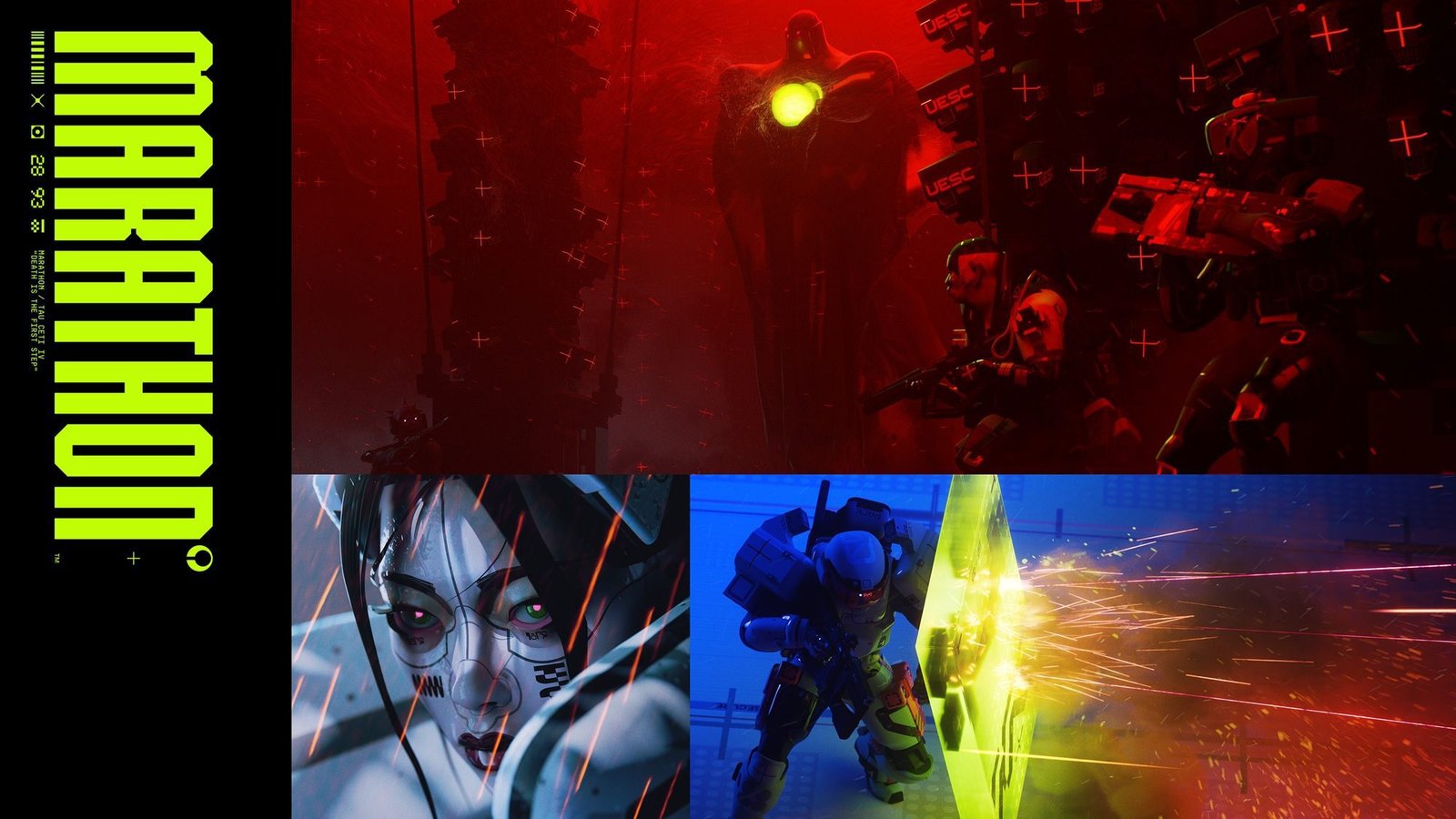
Marathon is a first‑person multiplayer extraction shooter set on the planet Tau Ceti IV. You drop in as a cybernetic mercenary known as a “Runner,” scavenge for loot, fight other squads and UESC AI security bots, and try to extract before the 25-minute match timer (or a rival team) wipes you out.
If you have never touched the extraction genre before, the basic loop looks like this:
- Load into a map solo or with your three-player crew.
- Hunt for high-tier loot, artifacts, and story logs.
- Complete dynamic contracts for in-game factions.
- Reach a dropship extraction point alive so you can stash your haul in your Vault.
If you die, you lose the weapons, ammo, and gear you brought in. It’s not about clearing every room; it is about leaving with more value than you risked.
Bungie’s Twist: Hero‑Style Runners And Factions
What separates Marathon from hardcore military sims like Escape from Tarkov is that Bungie isn’t shy about embracing hero‑shooter DNA. Each Runner utilizes a specific “Shell” (like the stealthy Thief or the tank-like Destroyer) that comes with built-in abilities.
Your choice of Shell meaningfully changes how you approach fights, allowing you to install Cores to tweak cooldowns. Furthermore, you align yourself with factions (like Sekiguchi Genetics) to accept contracts. Completing these contracts grants you access to specialized armory upgrades and pre-packaged loadout kits, ensuring progression isn’t just about hoarding random loot.
Time‑To‑Kill, Sound And The “Heat” Mechanic
One of the first things people notice about Marathon is how incredibly fast the Time-To-Kill (TTK) feels. Health bars are slim; if someone catches you cleanly out of position, you will go down in under a second.
This has several massive gameplay consequences:
- Hunt: Showdown Vibes: Gunfights are decisive, and information is everything. Sound design matters immensely. Footsteps, weapon reports, and environmental noises are your early‑warning system.
- The Heat Capacity System: Sprinting and sliding builds up “Heat.” If you max out your temperature, you cannot perform evasive maneuvers. Smart players are learning to run through rainstorms or splash through the waters of the Dire Marsh map to cool their thermal signatures mid-firefight.
Solo vs Squad: Why Queueing Matters
Technically, you can play Marathon solo, but the game’s systems are aggressively tuned around three‑person squads (capping out at roughly 15-18 players per map instance).
Solo play is viable but brutally unforgiving. Fast TTK plus expensive gear means every death hurts, and you don’t have teammates to revive you. In a full squad, things feel manageable thanks to a generous down‑but‑not‑out timer and support abilities like Triage.
How Marathon Stacks Up Against The Competition
If you are trying to decide whether to spend your $40, it helps to place Marathon on a mental map alongside its peers:
| The Comparison | How Marathon Differs |
|---|---|
| vs. Escape from Tarkov | More approachable gunplay and UI, but shares the identical “gear fear” penalty upon death. |
| vs. Hunt: Showdown | The closest spiritual sibling. Fast TTK, heavy reliance on audio cues, and PvP-first encounters. |
| vs. ARC Raiders | Less focus on wide-open PvE exploration and much heavier emphasis on forced, tactical PvP chokepoints. |
| vs. Destiny 2 | Almost a different genre entirely. No scripted raids or floaty jumps; just grounded, lethal tension. |
Who Will Actually Enjoy Marathon?
Marathon is not trying to please everyone, and it is better for it. You will enjoy it if you like high‑tension shooters where death actually stings, and you don’t mind spending time in your menus managing your Vault inventory.
If you go in knowing it is closer to Hunt than Destiny, treat every 25-minute run like it matters, and play with a squad that actually communicates, Marathon stops feeling confusing and starts feeling like exactly what it is: Bungie letting its legendary gunplay loose in a much nastier playground.