
QUICK COMPARISON: MCU VS. COMICS
- Taskmaster: Sarcastic mercenary (Comics) vs. Silent brainwashed agent (MCU).
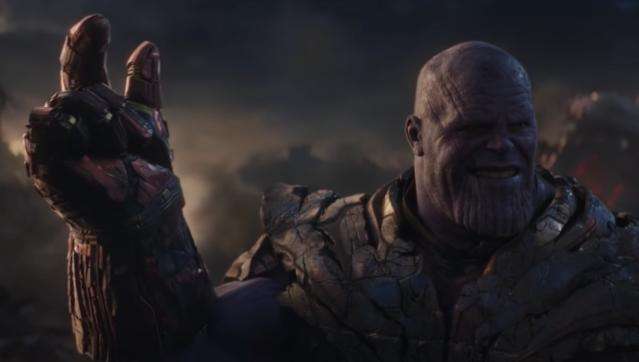
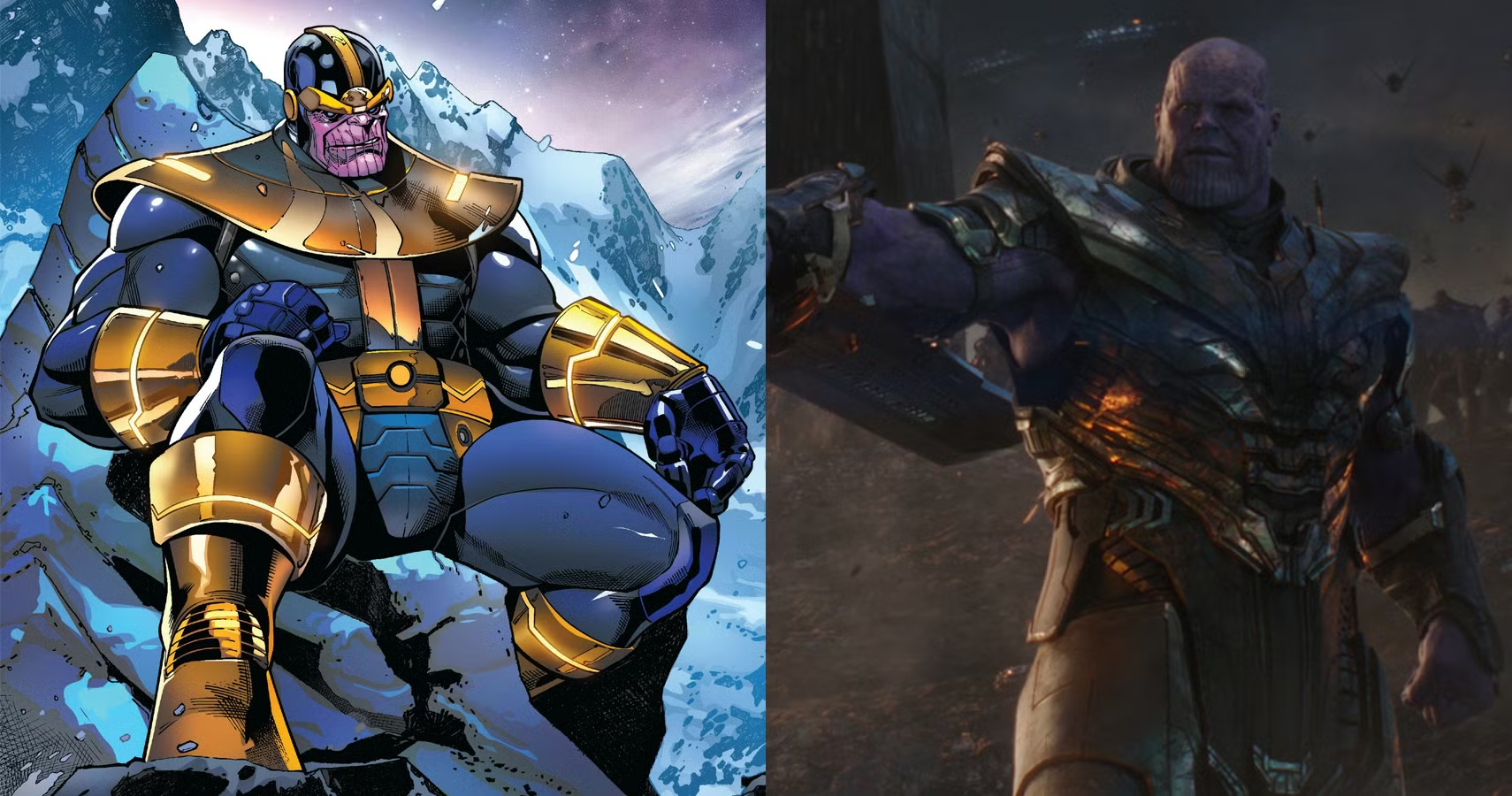
- Thanos: Obsessed with “Death” (Comics) vs. Eco-terrorist philosophy (MCU).
- Bucky Barnes: Teenage sidekick (Comics) vs. Lifelong best friend (MCU).
- Venom: Driven by hatred of Spider-Man (Comics) vs. Anti-hero buddy comedy (Sony).
Table of Contents
Why does Marvel rewrite characters for its movies?
Marvel Studios adapts more than 80 years of comic book lore into a single, cohesive cinematic timeline. To make stories accessible, interconnected, and emotionally grounded, the MCU often alters character origins, personalities, and relationships. These changes help simplify decades of continuity while fitting characters into a modern cinematic universe.
As noted by Variety, Marvel’s adaptation philosophy prioritizes narrative momentum and long-term world-building over strict panel-by-panel accuracy.
Which Marvel characters were most changed from comics to movies?
Several iconic Marvel characters underwent complete rewrites when transitioning from page to screen. These changes range from altered motivations to entirely different identities.
How was Taskmaster changed in the MCU?
Taskmaster remains one of the most controversial MCU rewrites. In Marvel Comics, Taskmaster is Tony Masters, a former S.H.I.E.L.D. agent capable of perfectly mimicking any fighting style. He is sarcastic, self-aware, and runs a mercenary academy for criminals.
In Black Widow, the character was reinvented as Antonia Dreykov, a silent, brainwashed enforcer controlled by the Red Room. While her mimicry abilities remain, Screen Rant highlights that this version stripped away the character’s agency and charisma. This change was cemented in Thunderbolts*, where her potential evolution toward the comic book version was cut short, leaving many fans disappointed.
Why is MCU Thanos different from comic Thanos?
Thanos was rewritten at a fundamental philosophical level. In the MCU, he is an “eco-terrorist” who seeks to eliminate half of all life to preserve resources—a twisted form of logic. In the comics, Thanos is driven by a literal romantic infatuation with Mistress Death.
Although the character of Death (Rio Vidal) recently appeared in the series Agatha All Along, showrunners confirmed to Collider that her storyline has no connection to Thanos. This permanently severs the “Mad Titan’s” defining comic book motivation from the cinematic universe.
How was Bucky Barnes rewritten for the MCU?
Bucky Barnes underwent a major relationship shift to serve the emotional core of the Captain America trilogy. In the MCU, Bucky and Steve Rogers are presented as lifelong best friends and equals from Brooklyn.
In the original comics, Bucky was Steve’s teenage sidekick, a dynamic closer to Batman and Robin than brothers-in-arms. This rewrite is widely considered one of the MCU’s best, as it heightened the tragic stakes of his transformation into the Winter Soldier.
What changed about Betty Brant in the MCU?
Betty Brant was significantly de-aged for the Tom Holland Spider-Man films. In the comics, she is Peter Parker’s first serious love interest and a professional secretary at the Daily Bugle. The MCU reinvented her as a high school classmate and student news anchor with no romantic link to Peter.
Fans looking for a comic-accurate version often point to Elizabeth Banks’ portrayal in Sam Raimi’s Spider-Man trilogy, which captured the character’s original office dynamic.
Why is Eddie Brock so different in the Venom movies?
In Sony’s Spider-Man Universe, Eddie Brock is fundamentally altered because Spider-Man does not exist in his world. In the comics, Venom’s entire existence is fueled by a shared hatred for Peter Parker. Without this rivalry, the film version pivots to a “buddy-comedy” dynamic, focusing on the chaotic friendship between Eddie and the symbiote rather than villainy.
Do these rewrites hurt or help the MCU?
Marvel character rewrites are a mixed bag. Some, like Bucky Barnes, streamline storytelling and modernize outdated concepts. Others, like Taskmaster, remove key traits that defined the character for decades. Ultimately, these shifts demonstrate that the MCU views its films not as replicas, but as reinterpretations designed for a global audience.