
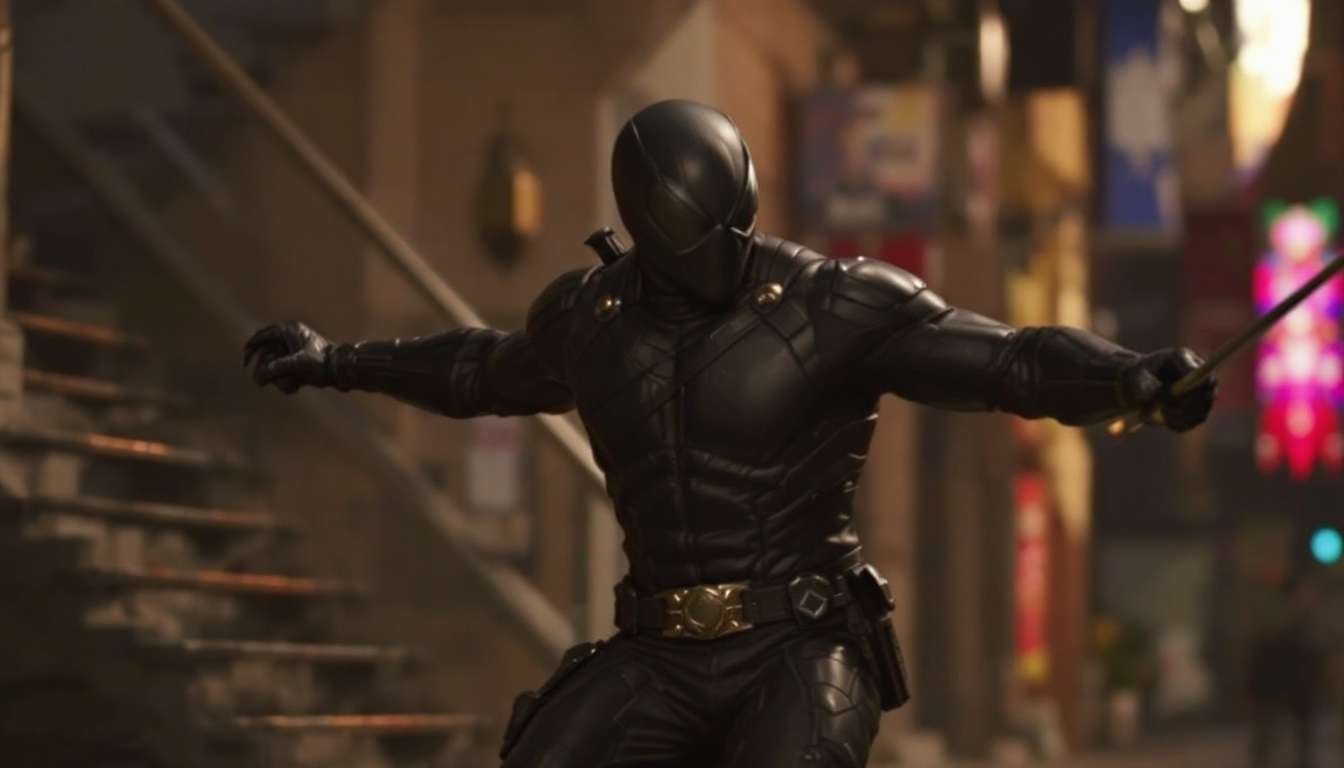
1998’s Blade introduced audiences to Wesley Snipes’ unforgettable daywalker and proved that serious, stylish comic book movies could succeed at the box office. The film’s strong reception led to a sequel and eventually a full trilogy, each entry offering something distinct. Blade II delivered Guillermo del Toro’s monster-driven vision and iconic creature designs, while Blade Trinity leaned into strange, often humorous energy that included an early action-comedy performance from Ryan Reynolds as Hannibal King, a character who feels like a prototype of his later Deadpool persona.
With the character now set to join the Marvel Cinematic Universe after several production delays, fans are revisiting what made the original trilogy work. Here is a breakdown of the key elements that appear in every Blade movie.
Table of Contents
How Does Every Blade Movie Introduce the Daywalker?
Marvel’s Blade first appeared in Tomb of Dracula 10. His early comic traits were present, but the katana-wielding version seen in the films took years to form. The 1998 movie assumes viewers know nothing about the character and skips exposition. Instead, it opens with one of the most memorable action scenes of the decade: the infamous vampire rave.
A human wanders into an underground nightclub, blood rains from the sprinklers, and Blade arrives to annihilate the room. Within minutes, the film establishes its rules. Vampires are predators. Blade is more terrifying than they are. The tone is gritty and violent. Every sequel follows this template. Blade always makes his entrance in a dramatic, high-impact sequence that sets the stage for the rest of the film.
Why Does Blade Always Live in a Warehouse?
A vampire hunter needs a place to rest and rearm. In every movie, Blade’s base is a run-down warehouse or industrial space, usually located in a forgotten corner of the city. These hideouts function as workshops for Whistler, who builds Blade’s weapons and gear. They are also extremely vulnerable.
Across the trilogy, the hideout is repeatedly infiltrated or destroyed. In Blade Trinity, the FBI raids it and triggers Whistler’s self-destruct protocol. In the first film, Frost’s crew walks in with alarming ease. The pattern is simple. Blade never stays in one home for long because someone always finds a way inside.
How Does Blade Struggle With His Need for Blood?
Blade’s origin creates constant internal conflict. As a half-human and half-vampire daywalker, he possesses strength, speed, and near immortality while retaining the ability to survive sunlight. The drawback is the thirst. He requires blood to stay strong, and each film features scenes where Blade must fight his own hunger.
The first movie keeps this struggle beneath the main plot but uses it to reveal Blade’s humanity. Without these moments, the character risks becoming pure action instead of someone battling a deeper curse. The sequels continue the theme with different methods of controlling or supplementing his need to feed.
Why Do Vampires Call Him the Daywalker?
Within the films, vampires refer to Blade only as “The Daywalker.” The name expresses fear, hatred, and grudging respect. Blade can move in daylight, understand vampire culture, and hunt them when they are powerless. He is their monster.
Interestingly, the concept of Blade as a true daywalker did not appear in Marvel comics until 1998’s Peter Parker: Spider-Man 8. The films helped cement the term as a permanent part of his mythology.
Why Is Whistler Always in Danger?
Whistler is Blade’s mentor, father figure, weapons designer, and partner. Played by Kris Kristofferson, he appears in all three films and is constantly threatened because he is the only human Blade truly cares about.
In the first movie, he is presumed dead after a vampire attack. In Blade II, Blade finds him alive but infected. In Blade Trinity, Whistler is killed during a raid on their hideout. Although Whistler was created for the films, not the comics, he became an essential part of Blade’s cinematic identity. The MCU is expected to introduce Jamal Afari, Blade’s original comic mentor, instead of Whistler.